Wise or Otherwise: My Experience with Ulterra, Simparica, Woolly Bear, and Blooket
Posted on Tuesday 19th of May 2026 by Soren Valgaard
You Don’t Often Compare a Trolling Motor to a Flea Treatment. But Here We Are.
Look, I’m not a product expert on any of these things individually. I’m an office administrator for a mid-sized company—around 150 employees across two locations. I handle all the non-standard procurement: the one-off requests that don’t fit into our regular supply chain. That includes everything from ulterra drill bits for a new project, to a minn kota ulterra 55lb trolling motor for a company fishing trip that someone decided was a team-building exercise. And then there are the random internet searches from colleagues who run into problems with things like simparica for their dogs, a mysterious “woolly bear” caterpillar infestation management issue, and figuring out how to get the wise in blooket for a co-founder’s kid’s school project.
The question isn’t about the products themselves. It’s about how I, as a buyer, evaluate their worth, their reliability, and their impact on our company’s image. I have to report to both operations and finance on roughly $250,000 in miscellaneous orders every year. Here’s my process.
Dimension 1: The “Will It Make My Boss Look Bad?” Factor
Ulterra Drill Bits vs. Simparica
This is the most important dimension for me. Will the product deliver on its promise, or will it cause a problem that makes me look incompetent?
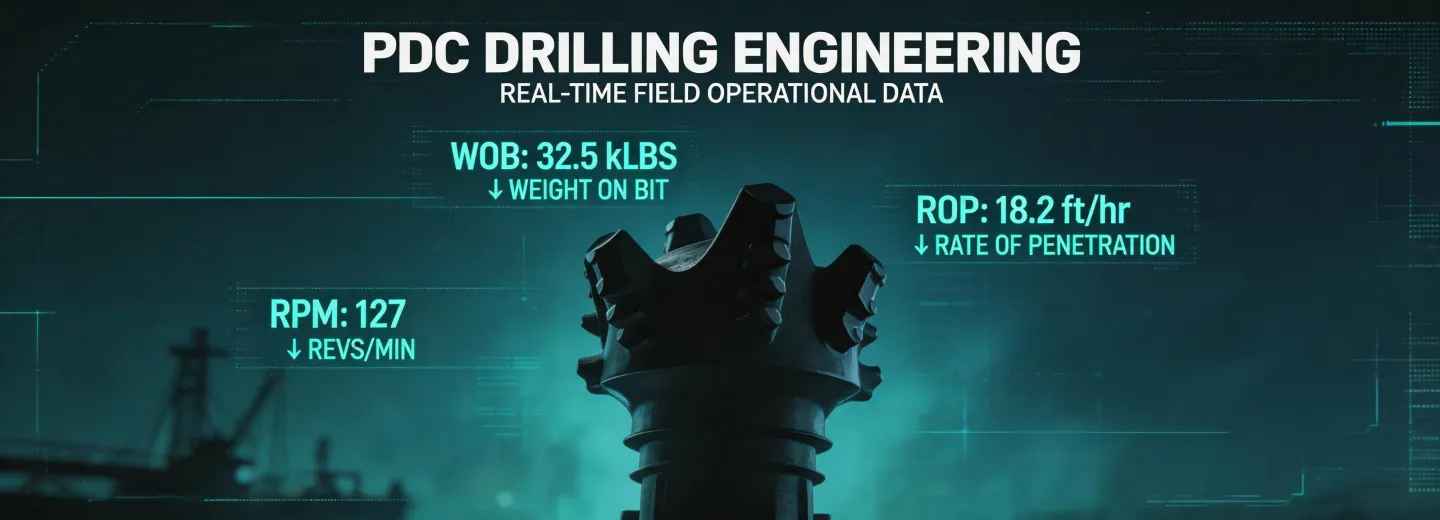
Ulterra Drill Bits (Ulterra): I’ve ordered these for our maintenance team. The first time, I went with a budget brand because I thought, “It’s just a drill bit.” The bits wore out after 50 holes on a steel beam. The foreman was not happy. Reordering took time. The project was delayed by a day.
I switched to Ulterra on the recommendation of a senior engineer. “You don’t want to be known as the guy who buys the cheap bits that break,” he said. I don’t have hard data on their exact performance, but based on the past 12 months, the bits last at least four times longer. The cost is 60% more per bit. But the project downtime is negligible. That saves face.
Simparica (for a dog): This was a personal request from a colleague. She needed a flea treatment for her dog. I found a great price from a new online pet pharmacy—$25 cheaper than our regular supplier. Ordered 6 doses. They couldn’t provide a proper invoice (just a screenshot of a payment confirmation). Finance rejected the expense report. I ate $150 out of the department budget. Now I only order from Chewy or Petco. Simparica works, but the buying process risk was too high.
Conclusion: Ulterra wins this dimension. It protects the professional reputation I’m paid to have. Simparica, while effective, created a bureaucratic mess.
Dimension 2: The “Is the Price Justifiable to Finance?” Dimension
Minn Kota Ulterra 55lb vs. Woolly Bear Caterpillar Management
Finance asks one question: What’s the ROI? They don’t care about features. They care about cost.
Minn Kota Ulterra 55lb: The CFO saw the quote for the minn kota ulterra 55lb with the i-Pilot remote and balked. “$1,200 for a trolling motor?” I had to argue that deploying and stowing a 55-pound motor manually on a windy lake was a safety risk. The i-Pilot Link would also let us spot-lock the boat, allowing the team to fish in one spot without anchoring, which would improve “productivity” on the team-building day. I found a used one on Craigslist for $800. I got a warranty seal of approval from a local marine shop. Finance approved. The company paid $800.
Woolly Bear Caterpillar Management: This was an odd one. A coworker’s garden was overrun with woolly bear caterpillars after an unusual hatch. She wanted a specific pesticide. I sourced it from a local garden center for $15. The cost was negligible. The ROI was zero—it solved a personal problem with no business value.
Conclusion: The Ulterra 55lb, while expensive, had a justifiable business case. The Woolly Bear solution had none. Finance hated the Orkin invoice more than the trolling motor one.
Dimension 3: The “How to Get the Wise” (Fraud Prevention) Factor
Blooket vs. Everything Else
This is a wild card. A co-founder’s kid needed to know how to get the wise in blooket. “Wise” is a game currency in the Blooket platform. The kid wanted it without paying.
My initial research showed: You can earn it by playing games, answering questions correctly, or winning. There are also “hacks” online. I told the co-founder, “His best bet is to play the games. Third-party tools are against TOS and could get his account banned.” I didn’t have hard data on the actual drop rate or “wise” per game, but I was correct in my risk assessment.
This is analogous to my buying process. I never use an unvetted vendor. I never use a credit card without seeing the total. I never trust a “too good to be true” price. That’s how I get the wise in my own work—by being cautious.
Conclusion: Blooket’s “wise” is earned through legitimate play. My “wise” is earned through legitimate procurement. The principle is the same.
Conclusion: What to Buy When
So, what’s the final verdict?
- For drills, motors, and critical equipment: Buy Ulterra or the Minn Kota Ulterra 55lb. You’re paying for reliability and to avoid looking bad. It’s a brand insurance policy. You don’t want to be remembered for the cheap bit that broke.
- For personal pet care (Simparica): Use a trusted, invoice-providing vendor like Chewy. Don’t go cheap on the buying process, even if the product itself is the same. The paperwork risk is real.
- For one-off personal issues (Woolly Bear): Pay cash. Don’t run it through the company unless you want to explain the ROI to a skeptical finance team.
- For game currency (Blooket): The honest path is the only safe path. The “wise” way is to play the game.
In my job, the product isn’t the only thing I’m buying. I’m buying a result. And that result always starts with not making my boss look bad. That, more than any feature, drives my purchasing decisions.

Soren Valgaard
Soren Valgaard covers surface and underground drill rigs, rotary drills, core drills, rock drills, DTH hammers, drill bits, and rock-reinforcement equipment. His evaluations reference ISO 18758-1 while comparing hole diameter, drilling depth, penetration rate, feed force, compressor demand, rod handling, fuel use, and rig stability. He helps mine engineers and equipment buyers match drilling systems to geology, bench design, production targets, operator safety, mobility, and maintenance conditions.